
Hardwood · laminate · more
Flooring installation in Toms River Township, NJ.
Compare hardwood, laminate and wood restoration in Toms River Township, NJ. Plan the complete project with Core Step Flooring of Manalapan.
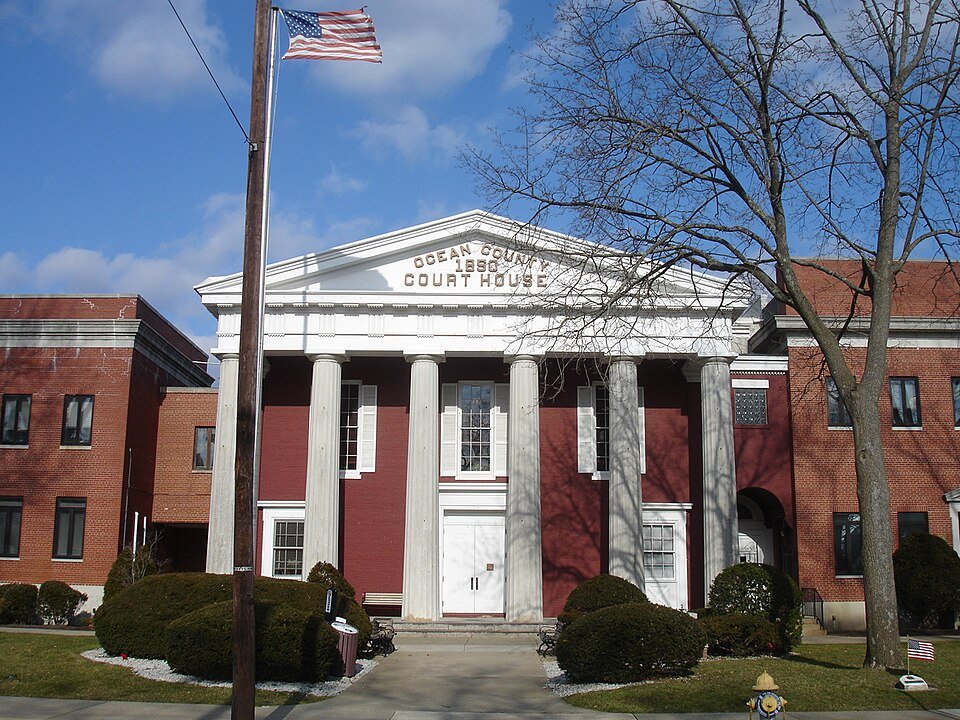
Plan your flooringOcean County Courthouse, Toms River Township, New Jersey · KForce · CC BY-SA 3.0 · Resized and cropped for display.

Your home. Your floor.
For a Toms River home, Core Step Flooring of Manalapan can help compare hardwood and laminate installation with repair and refinishing of existing wood. Begin with the rooms you want to change and the spaces that will remain, then discuss the appearance and connections between them. Ask for exact products or an assessed restoration scope, with preparation, transitions and furniture moves included. For a multi-room Toms River project, plan recyclable cartons separately from the old flooring and confirm who handles each part of cleanup. If another trade is involved, identify the readiness milestone before installation. A complete room plan makes the material alternatives easier to compare and helps the household understand access, removal and the conditions for normal use.

Keep packaging and removed flooring separate
Toms River's curbside recycling page lists accepted household materials, including paper and corrugated cardboard, containers and specified plastics. It also gives placement instructions. Use that guidance to check the particular recyclable item rather than treating all project waste as one stream. Cartons from new flooring and material removed from the old floor raise different questions. Ask what each service accepts before deciding that ordinary curbside recycling can handle the job's cleanup.
Have Core Step identify removal and hauling in its scope. If the owner will handle either, confirm the actual disposal route, material and collection arrangement first. Keep packaging separate from debris where the arrangement requires it and agree who clears each area at handover. A proposal that leaves all discarded material on site is different from one that includes hauling, even if both list the same flooring area. Comparing those responsibilities explicitly is more useful than discovering the difference after the rooms and entrance are occupied by the work.
Written inspection requests belong in the wider sequence
Toms River's Building Department describes review of building plans and construction activity and states that new inspection requests must be in writing. It links an online scheduling portal and written forms. If flooring follows work with an applicable inspection, ask which person makes the request and who confirms the result before the floor covers the area. Keep that exchange with the actual room plan and property address. A tentative date is not the same as an accepted request or a completed inspection.
Describe the full renovation when asking the department a question. A floor-only refresh and an alteration involving another trade can need different answers. Ask about the actual work rather than assuming every new finish needs a permit or that no interior work does. If a manager or general contractor handles coordination, have it pass the relevant readiness information to Core Step. Keep the flooring date dependent on that milestone so the last visible finish does not arrive before the underlying work has been resolved.
If you want to manage packaging yourself, ask when it becomes available and where it can wait without blocking work. Check the current municipal instructions for the actual recyclable material and keep it separate from anything that is not accepted in that stream. Have the proposal identify who removes the remaining installation waste at the end. This prevents a well-intended owner recycling arrangement from becoming an unclear boundary over cleanup, especially when different rooms are completed on different days and each produces its own packaging and removed material.

Start hardwood choices with the areas worth keeping
If wood already connects several rooms, decide which areas you want to keep before choosing a replacement for one of them. Ask Core Step to assess repair, sanding, staining and refinishing where those options fit your goal. Show photographs across the room and through its openings, along with close views of known damage. Explain whether the concern is color, wear, repair or a mixture of finishes. The condition of a specific floor cannot be established from the town name or a municipal construction record.
Ask what the proposed restoration could change and what variation might remain. Discuss repaired boards and the point where work meets untouched flooring. If a hallway is part of the visual problem, include it in the assessment rather than silently leaving it outside the estimate. Compare replacement over the same boundaries, with furniture and trim assumptions made explicit. Retaining one room while replacing another can be a useful option, but the connection needs its own detail and an honest discussion of the expected appearance.
Compare laminate by the room's use and its interfaces
For laminate flooring, describe the actual furniture, daily activity and care routine. Ask for the selected product name, installation method and accessories, and compare those details with the hardwood option. Use the same rooms and included work so differences in totals can be understood. A product family alone does not describe the complete assembly or determine how it meets the rest of the property. Keep the practical comparison beside the samples while narrowing appearance.
At each opening, ask how the proposed finished height relates to doors, stairs, cabinets and retained floor materials. If you want a continuous look, discuss where the chosen system still needs a transition. Look at samples from the adjoining room as well as from the new floor's center. If an alternative product is proposed after the first estimate, ask whether preparation or edges change. A similar color should not conceal a different installation requirement or leave the installer and owner expecting different trim details.

Coordinate several rooms without losing the household route
A useful multi-room plan identifies which spaces are unavailable at each stage. Mark the household's essential route and where furniture can wait without blocking it. Ask who handles large items and whether any separate service is needed. New material, removed material and belongings should each have an agreed place. If the same entrance serves every movement, review the sequence before work starts so one delivery does not make another part of the plan impossible.
If you remain in the home, ask how work boundaries are maintained and what conditions govern using each area again. If you will be away, identify the person controlling access and the person authorized to approve additional work. The two may differ, so make that explicit. Keep any required municipal milestone in the same schedule as the preceding trade and flooring. Ask how a delay is communicated and which later task depends on it instead of assuming every planned date can move independently.
Resolve known conditions before choosing a covering strategy
Tell Core Step about known repairs or water history and provide any available information. Ask what assessment is needed before covering the base and what preparation is included. Do not turn Toms River's general geographic context into a claim that every property shares the same condition. Equally, do not treat a water-related product feature as evidence that an unresolved base problem has been corrected. Material suitability and current property condition both need to be addressed for the actual room.
Agree how concealed findings are documented after removal and who approves additional work. Review retained trim, door clearances and transitions during measurement. Carpet or runners, luxury vinyl, tile and stone can be considered for rooms with different needs, while the main residential comparison can remain hardwood and laminate. Ask who completes any related alteration and what remains with another trade. Include cleanup and care information in the final walkthrough, so the owner understands the installed surface and any outstanding responsibility before normal use resumes.

Make the Toms River enquiry ready for a useful assessment
Core Step Flooring of Manalapan's business base is 4 Bridge Plaza Dr, Suite 1C, Manalapan Township, NJ 07726. Send the Toms River property address, room list, approximate dimensions and photographs showing existing floors, retained materials and access. State whether you want to preserve wood, change the finish or compare new hardwood with laminate. Include connected renovation work and the actual household constraints. If a written inspection response affects the sequence, provide it with the room plan rather than a verbal summary alone.
Ask for complete alternatives with exact products, removal, hauling, preparation, edges, furniture handling and conditions for returning the rooms to use. A supplemental business project should identify its operating and access needs separately. Before ordering, confirm that each responsible person understands the same scope and that household recycling has not been mistaken for an unverified debris route. The useful outcome is a flooring decision with clear boundaries and readiness milestones, supported by the actual property and a proposal you can compare line by line.
Choose your direction
Explore the flooring for your rooms.
Toms River Township flooring questions
Can the flooring cartons and old floor use the same recycling route?+
Not automatically. Toms River's curbside page identifies accepted household materials, including corrugated cardboard, but that does not establish acceptance of the removed flooring assembly. Ask about each material and arrange hauling explicitly. Keep packaging and removal responsibilities clear in the proposal before the project occupies the available staging space.
How are construction inspections requested in Toms River?+
The Building Department says new requests must be in writing and links scheduling and form resources. Confirm the process for the actual project and agree who requests and receives the result. If flooring follows inspected work, keep the relevant readiness milestone in the shared sequence instead of relying on an informal installation date.
Does the whole house need one material?+
No. Discuss the use and appearance of each room and review how materials meet. Hardwood, laminate, restored wood and other suitable flooring families can be considered with deliberate transitions. Ask for the exact boundary and edge detail so different finishes work together rather than being chosen independently without a connection plan.
What should I compare beyond the material price?+
Compare the same room boundaries, product, installation method, removal, hauling, preparation, furniture moves and transitions. Include any work left to you or another trade and ask for care and return-to-use instructions. A complete scope makes differences visible and helps prevent an omitted responsibility from being mistaken for a saving.
Make the next step yours
Plan your Toms River Township flooring project.
Keep the rooms, material direction and preparation details together.
Explore Ocean County flooring or find another town.