
Hardwood · laminate · more
Flooring installation in Irvington Township, NJ.
Compare hardwood, laminate, wood restoration and complete room preparation in Irvington Township, Essex County. Plan your project with Core Step.
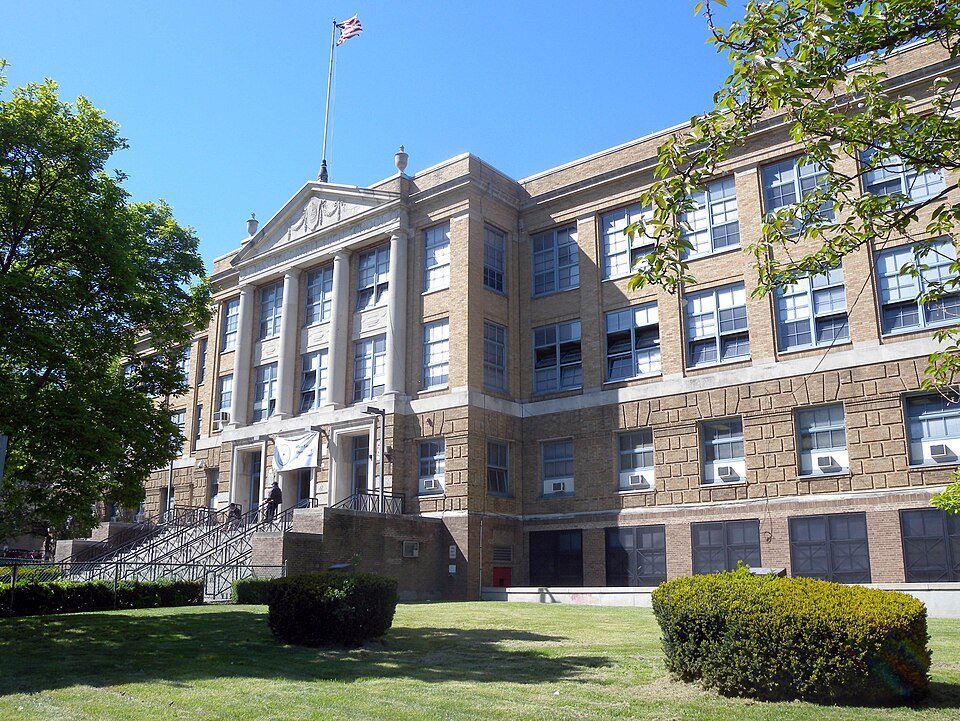
Plan your flooringFrank H. Morrell High School, Irvington Township, New Jersey · Jim.henderson · CC0 · Resized and cropped for display.

Your home. Your floor.
In Irvington Township, Essex County, start a flooring project by deciding whether the work is a room refresh, restoration of existing wood or part of a property turnover. Core Step Flooring of Manalapan can discuss hardwood and laminate installation alongside wood repair, sanding, staining and refinishing. Irvington’s separate housing and construction functions make it useful to explain both the floor work and any sale or rental timetable. Compare a complete installed scope, including removal and transitions, before choosing a surface on appearance alone.

Keep floor work and property turnover coordinated
Irvington’s Building Construction page describes Housing Department responsibilities for occupancy certificates before a change of ownership and habitability certificates for apartment rentals. It also describes the construction department’s role in renovation and alteration permits. If flooring is part of preparing a property for sale or a new tenant, establish which process applies to the property and who is following it. A new floor and a completed municipal process are separate milestones.
Share a genuine possession date or inspection appointment early, but avoid treating that date as proof the entire flooring scope will fit. There may be two sensible choices: finish the existing wood while rooms are empty, or replace the surface after the property can be properly measured and assessed. Compare those options before scheduling furniture delivery. An empty room is easier to inspect, yet it still needs an assessment of the substrate and the conditions under which the selected product will be installed.
For a rental, the owner or authorized manager should define the finish decision, access permission and approval of unforeseen work. A tenant’s preferred color is helpful input but does not substitute for authority to remove flooring. If several people participate, keep one written scope with the room names and selected products. This avoids ordering one finish while another decision maker expects a different floor or a different treatment of the stairs.
Give removed materials a defined destination
Irvington’s solid waste code directs owners renovating, decorating or demolishing property to obtain a contractor who properly disposes of recyclable construction material. It also addresses reporting by contractors and haulers. For a flooring project, ask how removed wood and other materials will be handled and whether disposal documentation is available. Do not assume the ordinary household collection route covers material simply because it came from a residence.
A quote for carpet removal should identify whether padding, tack strips and damaged underlayment are included. If hardwood is being removed, clarify whether the scope includes fastener removal and the surface left ready for the next assembly. Disposal and preparation are related but different tasks. Carrying material out does not establish that the exposed floor is suitable for a new installation. Ask for both outcomes in writing so a low removal allowance does not conceal missing preparation.
Where access is shared, agree on the carry-out route, temporary staging and the time during which the route can be used. Keep exits and common passages available as required by the property. Review the route with the person coordinating property access before agreeing the removal sequence. If a private hauler is needed, coordinate its collection with the flooring sequence so loose debris does not remain after the usable rooms have been handed back.

Assess hardwood before covering it
When carpet is coming out, ask whether wood below it should be inspected before a replacement order becomes final. The surface beneath the carpet may be a finished wood floor, a subfloor or another layer entirely. Do not plan a refinishing project from the visible edge of one doorway alone. Selective inspection, with the owner’s permission, can answer more than a guess based on a home’s age or the appearance of an adjacent room.
For exposed wood, separate worn finish, scratches, stains and damaged boards. A coating refresh is different from sanding and staining. Deep damage may need board repair before any finish work; some floors cannot accept another sanding. Ask for the reason behind the recommended treatment and the limits of the expected result. The goal is to preserve useful material where practical without promising that sanding will erase every mark or make incompatible boards look identical.
If one room needs repair and the next room stays as it is, inspect the connection. A sample that looks close in one light can look different across a sunlit doorway. You may prefer to refinish a connected area or keep an intentional threshold between surfaces. Compare both scopes, including furniture moving and return-to-use time. This makes the aesthetic compromise visible before the job is underway rather than after a repaired patch becomes the center of attention.
Choose a replacement for the way the rooms connect
Hardwood is a choice of construction, species, width, finish and installation method, not just color. Ask which options suit the actual support and room conditions. A solid wood sample and an engineered wood sample may look similar on top while requiring different installation decisions. Review the proposed assembly and product instructions. If matching existing wood matters, take a wider view of the room and adjacent trim before settling on a board that only matches a small sample.
Laminate can offer a different visual and maintenance choice, but its decorative surface should not be treated like a sandable wood floor. Discuss replacement of a damaged plank and what access that repair would require. In a floating installation, plan movement allowances, transitions and fixed objects from the beginning. A statement that the product is suitable for a room should identify the selected model and its conditions, not rely on a broad label applied to every laminate.
Ask for removal, preparation, trim and doorway details to be priced with each option. The finished floor should not prevent a door from moving properly or create an unexplained step at an adjoining room. Inspect appliance access where the project reaches a kitchen. If the selected surface changes the finished height, decide how the transition will be resolved before committing to material. This is particularly useful when only part of a property is being refreshed.

Plan a sale or rental refresh around the handover
Irvington’s Housing Department describes separate occupancy and habitability responsibilities for property sales and apartment rentals. If flooring is part of a handover, begin with the actual milestone: when must the rooms be clear, when can the work take place and when will someone move in? Bring that information to the flooring discussion alongside any inspection arrangements. The floor can then be planned as one part of the handover rather than ordered against a moving date with no room for the preceding work.
An empty interval can be an opportunity to assess hardwood that furniture or carpet has concealed. Ask whether repairs and refinishing can achieve your aim before committing to replacement. Compare the time the rooms need to remain clear under the chosen finish system with the alternative installation sequence. If the interval is short, decide which rooms matter most and whether the stair runner or a second bedroom should be coordinated in a later stage. A smaller agreed scope is easier to plan than an undefined whole-property refresh.
Removal also needs to fit the handover. Irvington’s waste code assigns construction-material disposal and recycling responsibilities that should be reflected in the contractor’s arrangement. Ask for debris to be cleared from the work route before incoming furniture arrives. Carpet, removed underlayment and a tiled threshold can produce different materials, so the quote should name what leaves. If you select laminate or luxury vinyl instead of retaining wood, include the newly exposed support and the resulting waste in the same comparison.
Before finalizing the order, review the floor from the incoming occupant’s point of view: can doors move freely, are transitions finished and is the stair usable as intended? Keep product-specific cleaning and return-to-use instructions with the handover information. That makes the investment useful beyond the first photograph and gives the next person a clear understanding of how to look after the surface you selected.
Build an Irvington proposal that can be compared
Talk through your Irvington rooms with Core Step Flooring of Manalapan, based at 4 Bridge Plaza Dr, Suite 1C, Manalapan Township, NJ 07726. Tell us whether you are improving your own living space, preparing for a move or updating a rental. Share the finish you want, the rooms involved and any handover dates already in the diary. Those details help focus the discussion on the choices that will make the biggest difference to the property.
Photograph the full rooms as well as damaged boards, thresholds and stair connections. If carpet may cover wood you would like to keep, mention that before ordering a replacement surface. Ask for furniture moving and disposal to be included if you need them, and explain when the property will be accessible. If several people are coordinating the work, keeping the room list and selected samples together makes the estimate easier for everyone to review.
Compare the restoration and replacement options with the same finished details: preparation, trim, transitions and the room condition at completion. Ask how additional findings after removal will be explained and priced before you decide. For a small commercial space, share operating access separately so the work can be discussed around its daily use. You can then choose a floor with a clear view of its appearance, the work involved and its place in the wider property timetable.
Choose your direction
Explore the flooring for your rooms.
Irvington Township flooring questions
Does new flooring complete a sale or rental inspection?+
No. Irvington describes separate occupancy and habitability processes. If your project is connected with a turnover, confirm the applicable requirements with the municipality and coordinate the floor work around them. A flooring contract does not itself establish that a property has completed those requirements.
Can an existing wood floor be stained a new color?+
Possibly, after assessment of the actual floor and its sanding suitability. Ask for samples and discuss how previous treatments, repairs and different boards may affect the result. A color change should be considered with the adjoining rooms rather than chosen from an isolated sample.
Who should approve work in a rental?+
The owner or a person with documented authority should approve the scope, products and any changes. Establish access with the occupants as well. Clear responsibility is especially useful if removal reveals a repair that was not visible during the initial estimate.
What belongs in a complete removal allowance?+
Ask about the surface, padding or underlayment, tack strips, fasteners, carrying route, disposal and the substrate left behind. Then identify preparation separately. This allows you to compare the real result of two quotes rather than comparing two differently defined removal lines.
Make the next step yours
Plan your Irvington Township flooring project.
Keep the rooms, material direction and preparation details together.
Explore Essex County flooring or find another town.