
Hardwood · laminate · more
Flooring installation in Florence Township, NJ.
Plan hardwood, laminate and wood restoration in Florence Township. Review local project logistics and a complete flooring scope with Core Step.
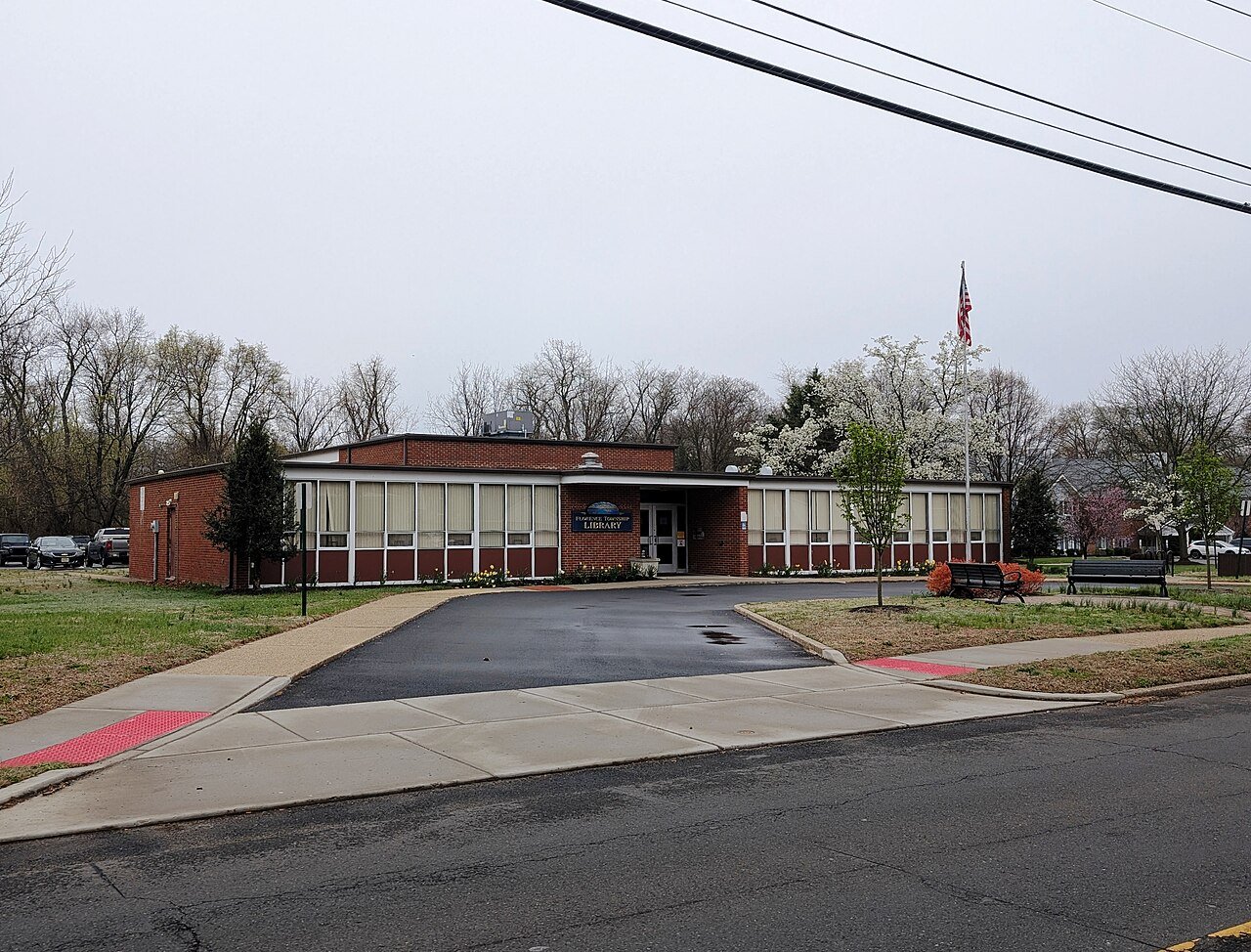
Plan your flooringPublic library, Florence Township, New Jersey · Mr. Matté (if there is an issue with this image, contact me using this image's Commons talk page , my Commons user talk page , or my English Wikipedia user talk page ; I'll know about it a lot faster) · CC BY-SA 4.0 · Resized and cropped for display.

Your home. Your floor.
For flooring installation in Florence Township, NJ, Core Step Flooring of Manalapan can discuss residential hardwood, laminate and assessment of existing wood for repair or refinishing. Begin with the finished room you want, including the edges beside retained floors. Florence’s Construction Office distinguishes minimum code enforcement from workmanship choices, so keep municipal requirements and your installation specification clear. Confirm removal and disposal alongside preparation before you order the material.

Separate code review from the finished-floor decisions
Florence Township’s Construction Office explains that its enforced codes set minimum standards and that the office cannot comment on a contractor’s workmanship quality. For a homeowner buying hardwood or laminate, this is a useful distinction: ask the office about the full renovation’s code and permit questions, and separately agree the product, layout, preparation and finishing details with the installer.
A floor can be described in enough detail to make the finished result reviewable. Mark the rooms, closets and adjoining surfaces on a drawing. State the named product, board direction, trim treatment and transition components in the proposal. If a room connects to retained wood, explain whether the objective is a close relationship or an intentional change. These are decisions for the homeowner and installer to settle before work starts.
Where the flooring is part of a larger renovation, describe supporting construction and other building work to the Construction Office rather than reducing the enquiry to the finish material. Ask what applies to that full scope. A municipal answer about one part should be kept with the work it actually considered. If the renovation changes, review whether the earlier answer still addresses the revised proposal.
Use the same current room drawing for the flooring assessment and broader renovation. If walls or fixed fixtures will move, identify when final measurements can be confirmed and who approves that layout. The installer needs the space that will exist at installation, not the dimensions of a room that another trade is about to change. Keeping revisions visible makes both ordering and the final walkthrough more precise.
Ask for the right removal service before the floor comes up
Florence Township’s Public Works page directs residents requesting bulk pickup to the Municipal Building and separately describes the recycling facility and its listed material streams. It does not establish that all flooring demolition waste is accepted through either service. Describe the actual material, quantity and contractor involvement when checking a household option, and have the proposal identify who takes the removed floor away.
Make removal responsibilities specific. Ask whether the installer lifts the covering, removes specified underlying layers, carries the waste outside, transports it and arranges accepted disposal. If you are handling any part, identify exactly where your responsibility begins. A proposal that says only “removal included” can be interpreted very differently by a household expecting a cleared property and a crew expecting an available container.
If furniture is being disposed of before installation, describe it separately in any bulk-pickup enquiry. Do not combine a sofa and renovation debris into one assumed collection. Confirm current acceptance and timing before using it as the date on which the room becomes available. Plan where household items can wait and what alternative is available if that timing does not work.
Recycling packaging is another separate question. Ask how delivery packaging and offcuts will be handled and keep those responsibilities visible even when several trades share a waste arrangement. The Township’s general recycling-facility description is not a classification for every item from a flooring project. Decide on the actual destination rather than leaving the homeowner to discover what remains at the end.

Choose hardwood or laminate against a written room specification
Start with the effect you want to achieve and the surfaces you are keeping. A living room that stops at a hall has different boundaries from a group of rooms being replaced together. Ask Core Step to compare hardwood and laminate on the same room list, including closets and edge finishing. That gives you a clear basis for deciding whether the alternatives deliver the same extent of work.
For hardwood, review the proposed construction, dimensions and finish. Show the installer any wood you want the new floor to complement. Evaluate actual samples at home under the lighting you use, beside retained trim and cabinets. The relationship between new and existing material should be discussed directly; a catalog image cannot promise that a junction will disappear or that different surfaces will look identical.
For laminate, ask for the exact collection, its installation instructions and the accessory choices for your room boundaries. Discuss how the assessed supporting surface and proposed assembly fit that product. Avoid treating a feature of one collection as a promise about all laminate. Keep the comparison specific enough that the final proposal can identify what is being supplied and how the room is finished.
Describe cleaning habits, furniture movement and the preferences of the household. If another room calls for carpet, runners, luxury vinyl, tile or stone, it can be considered without changing the objective of the main hardwood or laminate project. Ask how those surfaces meet. A coherent floor plan can have different materials with deliberate connections, rather than relying on one product name to settle every choice.
Compare existing-wood restoration before ordering replacement
If there is existing wood, ask Core Step for a condition assessment before approving removal. Explain whether you want repairs, a different stain appearance or a more consistent finish through the rooms. Discuss sanding, staining and refinishing where feasible for the actual floor. The first decision is what can reasonably be done with the surface that exists, not what a different property’s restoration photograph suggests.
Use the same room plan to compare restoration and replacement. A restoration proposal should identify any repairs and its boundary beside untreated wood. A replacement should identify removal, preparation and the new transition details. Ask what remains uncertain and how those decisions are approved. A useful comparison explains the work and the finished effect rather than presenting unrelated totals for different areas.
If carpet removal might expose wood, agree on an assessment point before the project is committed to covering it again. Ask who reports what is found and how the preferred plan changes if the wood is unsuitable. Keep the material choice, preparation and waste arrangement updated together. A newly visible surface should prompt a documented decision rather than a last-minute assumption about its condition.

Inspect the edges as carefully as the main floor
Photograph thresholds, closets, doors and retained trim before measurement. Ask how the complete proposed floor height meets each adjoining surface and review the actual transition component. Decide whether base trim stays and who handles related finishing. These are small parts of the measured area but substantial parts of what you see and use every day.
Ask the installer to define preparation after assessing the supporting surface. If some of it remains concealed, have the proposal explain what is known, what waits for exposure and how additional work is authorized. The Township’s point about minimum code standards is a reminder to keep your detailed flooring specification visible. Administrative review does not choose the product or complete the room plan.
At handover, walk each edge with the agreed drawing and proposal. Confirm the closet and trim work, the junction to retained flooring and the removal of waste as specified. Receive care instructions for the actual product and ask when furniture can return. If the scope changed after exposure, keep the approved revision with the final product information so the household has an accurate record.
Start a Florence Township flooring conversation
Core Step Flooring of Manalapan is based at 4 Bridge Plaza Dr, Suite 1C, Manalapan Township, NJ 07726. Send the Florence Township property location, room drawing, photographs and preferred hardwood or laminate through the contact page. Explain any restoration interest, removal preferences and wider renovation work. Ask for the next assessment step and provide access details that could affect delivery or the work sequence.
Before approving the order, compare the written scope with what you want completed. Check product, preparation, removal, installation, trim, thresholds, furniture movement and disposal. Identify decisions that remain dependent on site assessment or municipal guidance for the wider job. A clear specification gives you a practical basis for reviewing the floor and understanding any approved change.
Choose your direction
Explore the flooring for your rooms.
Florence Township flooring questions
Does a municipal inspection choose the workmanship details for my floor?+
Florence’s Construction Office explains that it enforces minimum code standards and cannot comment on contractor workmanship quality. Resolve relevant code questions with the office, and separately agree the detailed flooring scope with the installer. Include the named product, layout, preparation, trim and thresholds so the result can be reviewed against an actual specification.
Who should arrange collection of the old flooring?+
Agree that responsibility in the proposal. Florence directs residents to the Municipal Building for bulk requests, but its Public Works page does not approve every renovation load. If household handling is proposed, check the actual materials and contractor involvement. If transport and disposal are included in installation, state that explicitly.
Can I compare laminate with keeping my wood floor?+
Yes, after the wood is assessed. Ask about feasible repairs and refinishing and compare that work with a named laminate system over the same rooms. Include preparation, edge finishing and retained surfaces. The actual condition and desired appearance should guide the decision, with uncertainties identified before ordering.
What makes the final walkthrough useful?+
Use the room drawing and proposal rather than checking only the center of the floor. Review closets, doors, trim, transitions and retained adjacent surfaces. Confirm the agreed waste has left and receive the exact product’s care information. Keep approved changes so the final record describes what was actually completed.
Make the next step yours
Plan your Florence Township flooring project.
Keep the rooms, material direction and preparation details together.
Explore Burlington County flooring or find another town.